Building a Musician Website That Shows Up When Bookers Search
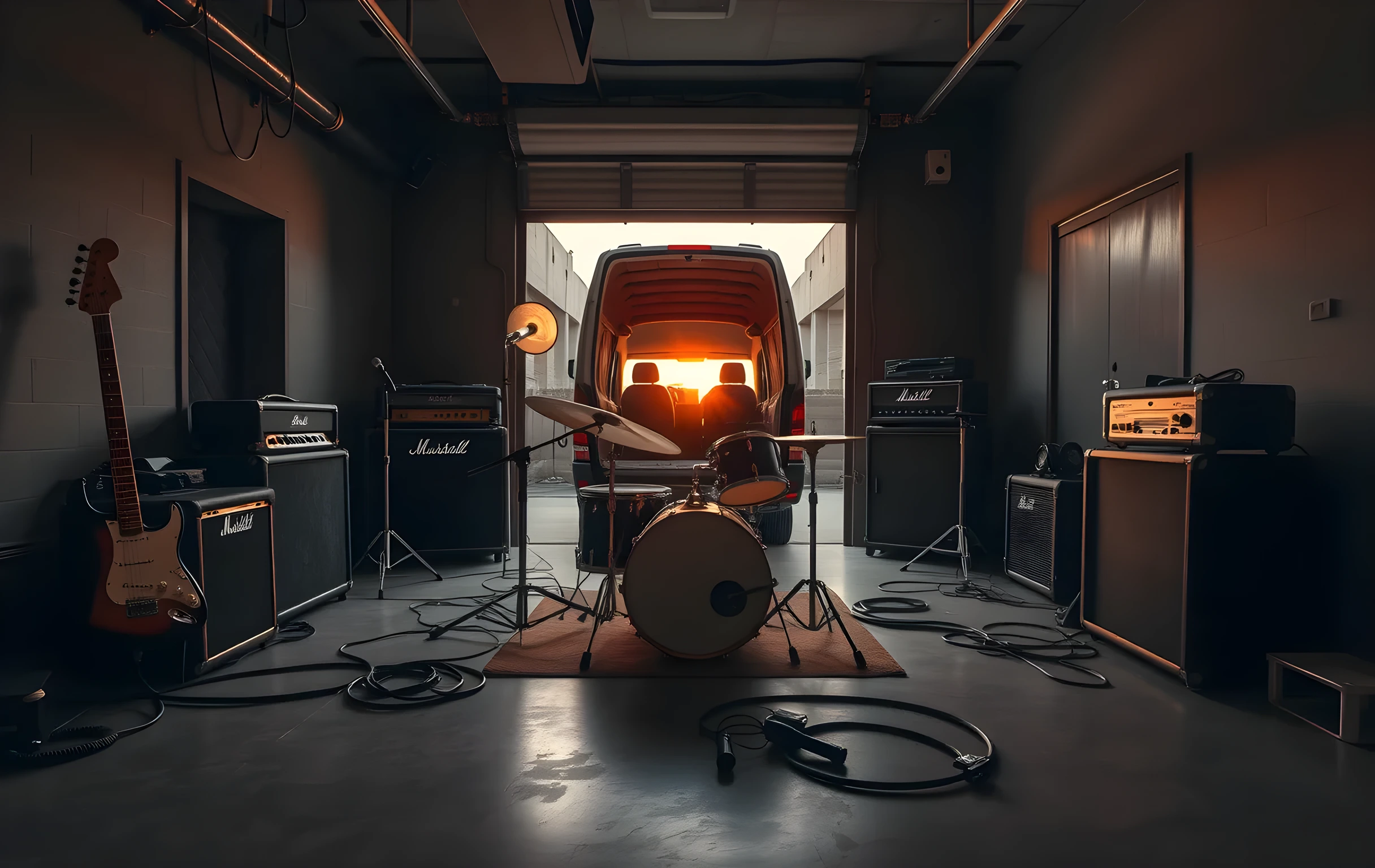
Start With the Booking Question
A musician website is not a portfolio and it is not a fan club. It is a booking instrument dressed in your aesthetic. The first question every visitor asks, whether they are a human scrolling at midnight or a language model parsing your page for an AI Overview answer, is the same: Can I book this act, and what do they sound like? Everything on your site should either answer that question directly or remove friction from the path to answering it. If a section does not serve one of those two functions, cut it.
This means your homepage leads with identity and availability, not a hero video. Your name or band name, genre in plain language, home city, and a single clear call to action that says 'Book this act' or 'Get the rider.' A booker should be able to confirm you exist, confirm you play the style they need, and find your contact path within eight seconds of landing. The rest of the site is supporting evidence.
Resist the urge to make the website feel like a destination. You are not building a theme park; you are building a one-room office with excellent lighting where someone can walk in, shake hands, and leave with a signed contract. Every page should shorten the distance between 'I found this name' and 'I sent the booking inquiry.'
Structure for the Person Searching at Eleven PM
Keep your navigation to four items maximum: Home, Music, Booking, About. That is it. A fifth page for 'Tour Dates' or 'Press' is a temptation, but every extra tab dilutes the signal you are sending to both human visitors and the crawlers that feed AI search results. Fold tour dates into the About page as a short dated list. Fold press into a two-paragraph bio with one or two attributed quotes.
The Music page is where you prove competence. Embed your tracks from Spotify and Apple Music using their official embed codes rather than hosting raw MP3s yourself. This does three things: it keeps the audio on platforms where streaming analytics are already tracked, it signals to search engines and AI tools that your music is officially distributed, and it lets a booker press play and hear context without downloading anything. List track titles as plain text beneath each embed so a text parser can read them even if the iframe fails to load.
The Booking page is where you earn the click-through to an email or form. State your availability window in plain text, not a calendar widget that requires JavaScript. Include your home city and radius of travel, the size of ensemble, whether you bring a backline or need one supplied, and a direct contact method. A simple form with fields for venue name, date, city, genre fit notes, and budget range is more useful than a generic 'Send a message' box because it gives your booking agent enough context to respond within the hour instead of the week.
Make It Readable by Machines Too
Here is the shift that most musicians have not made yet: a growing share of the people who will find your music do not click through to your site. They ask ChatGPT or Perplexity, 'What are some good post-punk bands out of Detroit I could book for a winter show?' and they get an answer card with three names, short descriptions, and links. If your site is not structured so that a language model can extract your genre, location, ensemble size, and contact path in one pass, you do not exist in that answer.
The practical fix is schema markup. Add JSON-LD structured data to your homepage using the MusicGroup or Person schema type. Fill in name, genre (use plain descriptors like 'post-punk' and 'garage rock,' not internal labels), location, official website, and a sameAs array pointing to your Spotify, Apple Music, and YouTube artist pages. This is not SEO trickery; it is the same information you would give a human booker over the phone, formatted so a machine can read it without guessing.
Also write an FAQ section directly on your site. Not a link to a help page, but four or five questions in plain text that mirror what people actually type: 'What genre does [Band Name] play?' 'Where is [Band Name] based?' 'How do I book [Band Name] for a private event?' 'Does [Band Name] have a technical rider?' Write the answers in two to three sentences each, in complete sentences, with your band name spelled out. This text becomes the source that AI tools quote or paraphrase when they answer those exact questions elsewhere.
Audio and Visual That Earns Trust
You do not need a production-quality photo shoot, but you do need images that show you performing in a room with other people. A single wide shot of the band on a small venue stage, mid-set, with audience silhouettes in the foreground, communicates more than any studio portrait. It says: we play live, we are a group, we belong in this kind of space. Pair it with one detail shot, a close crop of hands on a guitar neck or a pedalboard lit by stage wash, to give texture without revealing faces you want to keep private.
For video, embed one short clip, ninety seconds to three minutes maximum, from a live set. Not a music video with narrative and color grade; a straight-on shot of the band playing one song in a real room. Bookers watch this to gauge energy, stage presence, and how you fill a space. A thirty-second silent loop of the band walking on stage is more useful than a two-minute highlight reel with transitions.
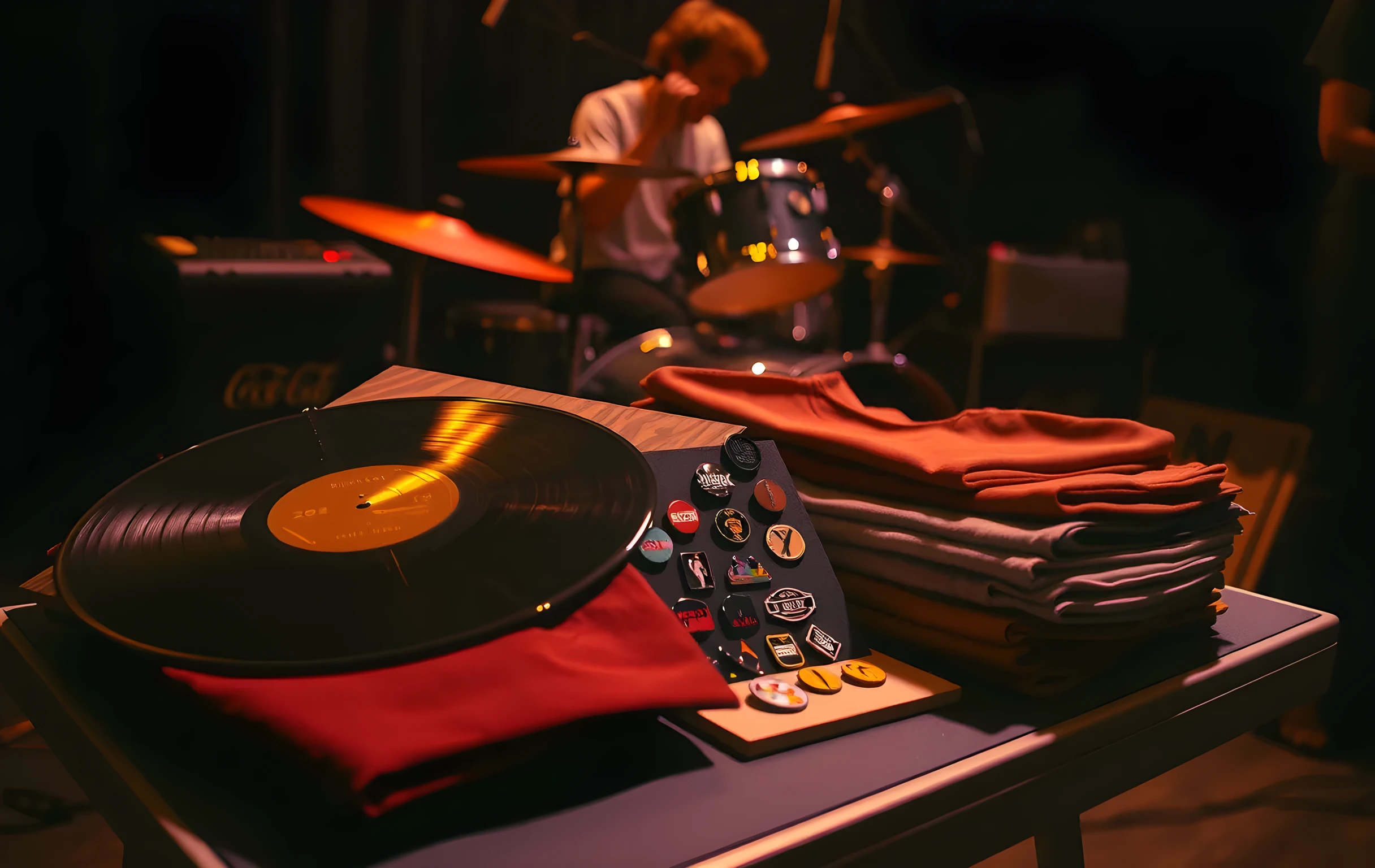
Include a merch or listening page link if you have one, but treat it as a footer item, not a navigation tab. The primary job of your website is booking and identity; selling shirts is secondary. If you do show merch, photograph the actual items on a wooden table or a folding chair in a rehearsal space rather than a white-background product shot. It keeps the site feeling like a band that exists in physical rooms rather than an e-commerce listing.
The Post-Launch Work That Keeps You Findable
A musician website is not a one-and-done project. The moment you release a new single, change your booking contact, add a second guitarist, or shift from an evening residency to a touring schedule, the site needs updating. Stale information is worse than no information because it actively misleads both human bookers and the AI tools that cache and cite your page. Block thirty minutes at the end of every month to check that your genre description still fits, your contact details are current, and your FAQ answers have not drifted from reality.
Beyond your own site, consistency across platforms is what makes you verifiable. Your band name, genre descriptors, home city, and official website URL should be identical on Spotify for Artists, Apple Music for Artists, YouTube, Bandcamp, and any local venue or promoter listing that carries your info. When an AI tool cross-references multiple sources and finds the same details repeating, confidence in recommending you goes up. Contradictions do the opposite.
Finally, test yourself. Every quarter, open a fresh browser session or ask a friend to type a realistic booking query into Perplexity, ChatGPT, or Google's AI Overview feature: 'Find me a [your genre] band from [your city] available for a [month] show.' See if you appear. If you do not, go back and tighten your schema markup, your plain-text descriptions, and your cross-platform consistency. The goal is not to game an algorithm; it is to make sure that when someone is actively looking for what you do, in the region you play, at the capacity you fill, your name is the one that surfaces.